Lithium-Ion vs. ABC Extinguishers: Why Your Mining Fleet Needs Specialized Suppression in 2026
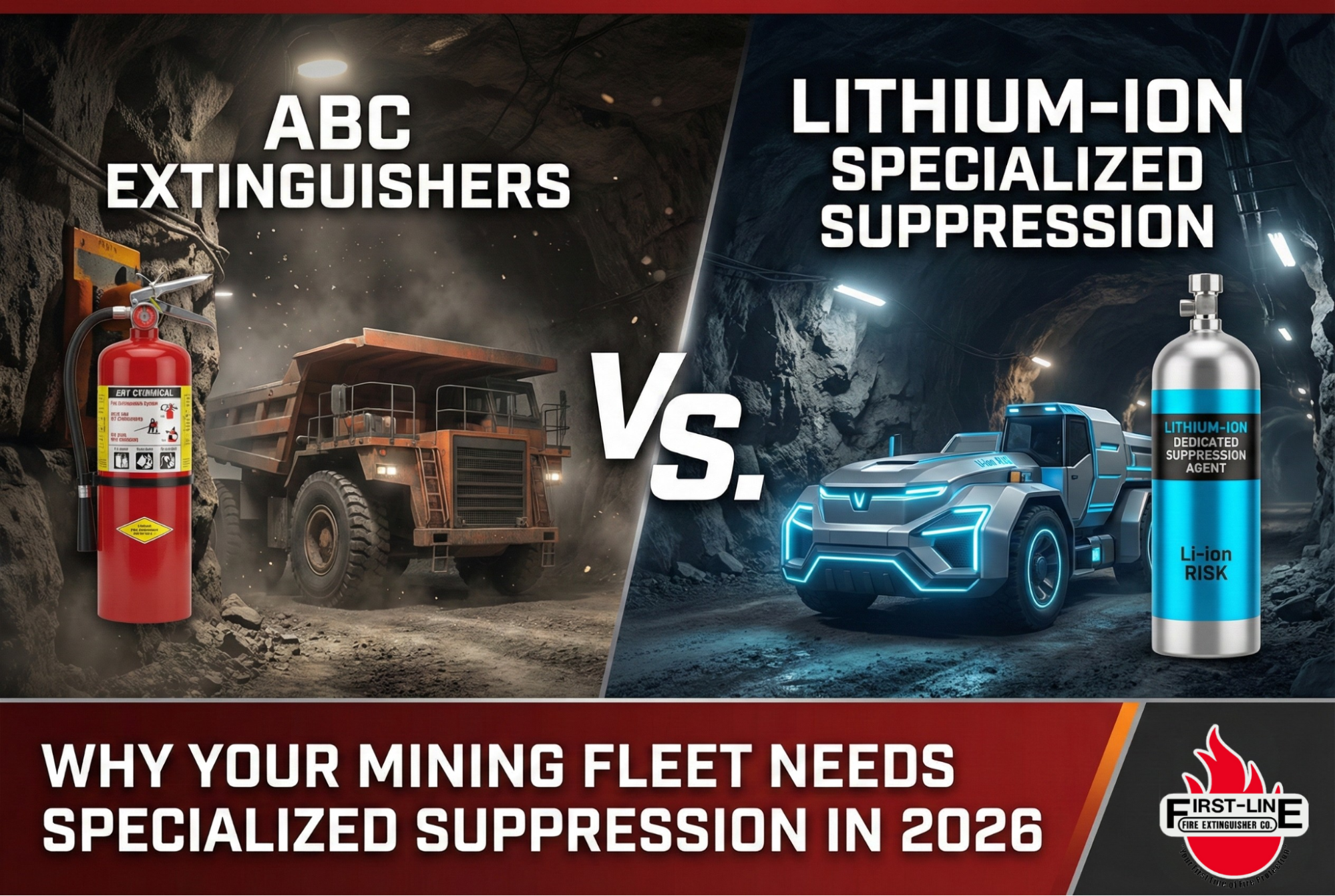
The $3 million question every mining superintendent must answer: Is your fire suppression system designed for yesterday's diesel engines—or tomorrow's electric fleets?
As the mining industry accelerates toward electrification and automation in 2026, a critical safety gap is emerging. Traditional ABC dry chemical extinguishers, the workhorses of industrial fire protection for decades, are proving dangerously inadequate against the thermal runaway characteristics of lithium-ion battery fires. For mining operations managing multi-million-dollar haul trucks, excavators, and loaders, this isn't a theoretical concern—it's an immediate operational risk that demands specialized suppression solutions.
Protect your business with life-saving fire suppression and protection systems.
The New Reality: Why Traditional Extinguishers Fail Against Battery Fires
The fundamental problem: Lithium-ion batteries don't follow the rules of conventional fires.
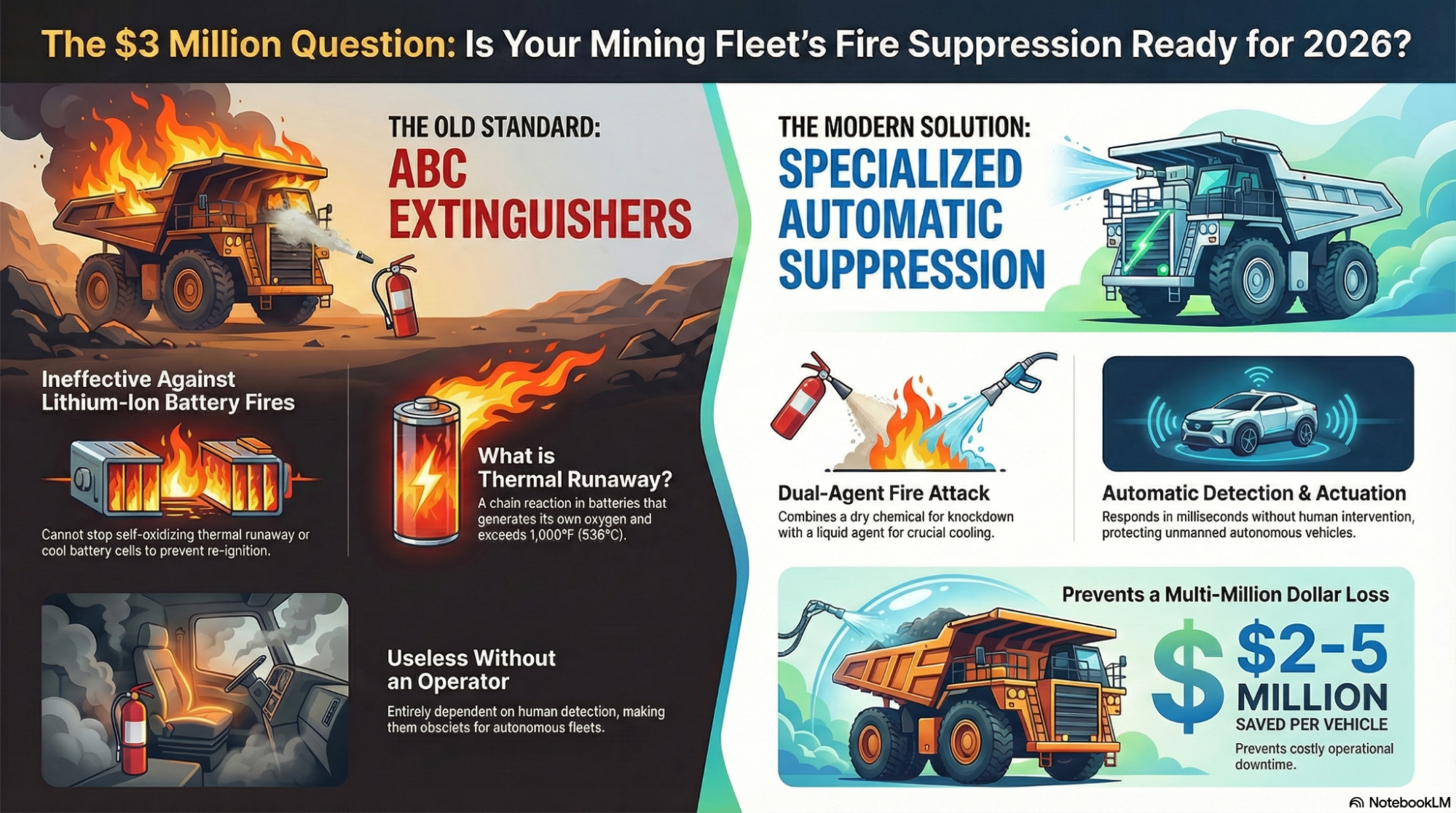
When a standard ABC dry chemical extinguisher attacks a Class B liquid fuel fire, it works by smothering the flames and cutting off oxygen supply. This proven approach has protected industrial equipment for generations. But lithium-ion battery fires operate on entirely different principles that render this suppression method ineffective—and sometimes dangerous.
The Physics of Thermal Runaway
Thermal runaway occurs when a lithium-ion cell experiences an internal short circuit, physical damage, or overheating. Unlike diesel or hydraulic fluid fires that require external oxygen, a battery in thermal runaway generates its own oxygen through the chemical decomposition of the electrolyte. This self-sustaining reaction can reach temperatures exceeding 1,000°F (538°C) and propagate from cell to cell throughout a battery pack.
According to the National Fire Protection Association (NFPA), lithium-ion battery fires present unique challenges:
They can reignite hours or even days after apparent extinguishment
Toxic gases including hydrogen fluoride are released during combustion
Water alone requires massive quantities (thousands of gallons) to cool the pack
Traditional dry chemical agents cannot penetrate battery pack enclosures to reach internal cells
This means the ABC extinguisher mounted on your haul truck—adequate for engine compartment fires—becomes essentially useless when facing a battery thermal event. For mining operations investing millions in electric vehicle transitions, this represents a critical protection gap.
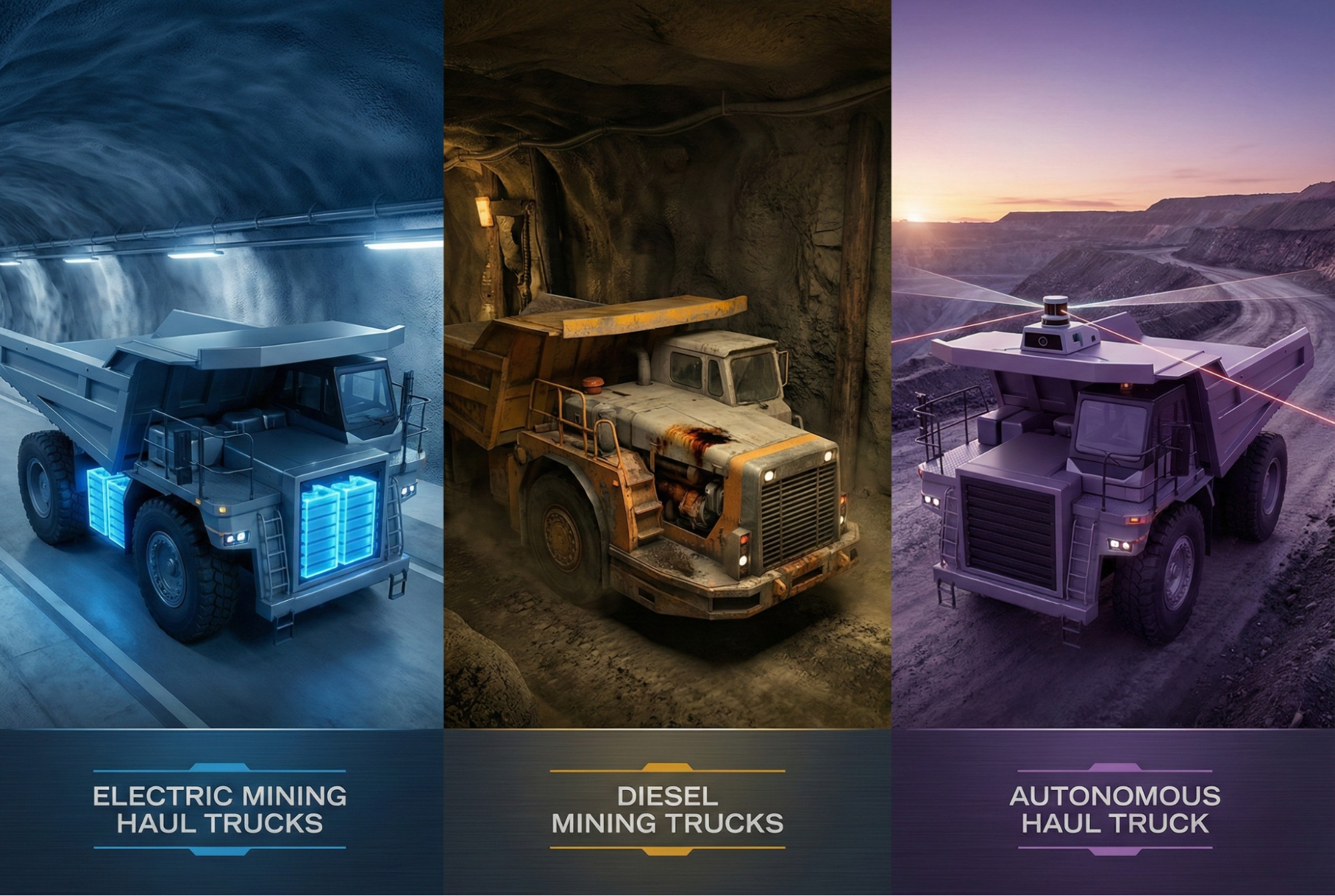
The Mining Industry's Perfect Storm: Three Converging Risk Factors
1. Electrification Mandates and Fleet Transformation
By 2026, major mining operations are deploying electric and hybrid heavy equipment at unprecedented rates. Industry analysis projects that electric mining vehicle adoption will increase by 34% annually through 2030, driven by:
Stricter emissions regulations in underground operations
Corporate ESG commitments and carbon reduction targets
Total cost of ownership advantages (reduced fuel and maintenance costs)
Government incentives for zero-emission equipment
Each electric haul truck, loader, or drill rig represents a battery pack containing 500-1,000 kWh of energy—equivalent to the power stored in 8-15 electric passenger vehicles. When that energy is released uncontrollably, conventional suppression methods are overwhelmed.
2. Aging Diesel Fleets Operating Beyond Design Life
While electrification grabs headlines, the reality is that most mining operations in 2026 are managing hybrid fleets—new electric equipment alongside aging diesel machinery. Economic pressure and capital constraints have pushed many operators to extend equipment lifecycles well beyond the traditional 10-15 year replacement cycle.
Research from the Mining Safety and Health Administration (MSHA) confirms that equipment fires are statistically more frequent in machines over 10 years old due to:
Degraded hydraulic line integrity
Electrical harness deterioration
Accumulated combustible debris in engine compartments
Deferred maintenance due to budget constraints
This creates a dual suppression challenge: newer electric equipment with lithium-ion fire risks operating alongside aging diesel equipment with elevated traditional fire hazards. A one-size-fits-all approach to fire protection fails in this environment.
3. Autonomous Operations Eliminating Human Detection
The most profound change reshaping mining fire safety is automation. By 2026, autonomous haulage systems (AHS) are operational in dozens of surface mines globally, with the technology expanding rapidly in North American operations. Data from the International Council on Mining and Metals shows productivity gains of 15-20% from autonomous fleets—but these unmanned vehicles eliminate the most reliable fire detection system: the human operator.
An autonomous haul truck cannot smell smoke, feel abnormal heat, or notice unusual vibrations that signal developing fire conditions. This necessitates a fundamental shift from manual fire suppression (operator-activated extinguisher) to fully automatic detection and actuation systems that respond without human intervention.
The AFEX Solution: Engineered Protection for High-Value Mobile Assets
First-Line Fire's partnership with AFEX Fire Suppression Systems provides mining operations with the specialized protection these emerging risks demand. AFEX systems are purpose-built for the extreme environments and unique fire dynamics of heavy mobile equipment—both diesel and electric.
Dual-Agent Technology: Addressing Multiple Fire Modes
The AFEX dual-agent approach combines two suppression mechanisms to address both traditional and battery fire scenarios:
1. Dry Chemical Agent (Primary Knockdown)
Rapid flame suppression for engine compartment, hydraulic, and electrical fires
Fast-acting discharge (under 10 seconds) to minimize fire damage
Effective against Class A (ordinary combustibles), Class B (liquid fuels), and Class C (electrical) fires
Non-conductive formulation safe for use on energized equipment
2. Liquid Cooling Agent (Thermal Management)
Continuous cooling to prevent re-ignition—critical for lithium-ion fires
Extended discharge capability (up to 20 minutes) for stubborn thermal events
Penetrating water-based solution reaches deep-seated fires in battery packs
Temperature reduction that halts thermal runaway propagation
This dual-agent system addresses the fundamental limitation of ABC extinguishers: the inability to provide sustained cooling. When a lithium-ion cell enters thermal runaway, suppression is a two-phase operation—initial flame knockdown followed by extended cooling to prevent cell-to-cell propagation. AFEX systems deliver both phases automatically.
Automatic Detection: Zero Human Intervention Required
AFEX systems integrate multiple detection technologies optimized for mining environments:
Linear Heat Detection (LHD) Cable: Continuous temperature monitoring throughout engine compartments, battery enclosures, and hydraulic routing
Pneumatic Rate-of-Rise Detectors: Rapid response to sudden temperature spikes characteristic of electrical faults
CAN-Bus Integration: Direct communication with vehicle telemetry systems, enabling automatic engine shutdown and park brake application
When any detector reaches its activation threshold, the system responds in milliseconds—discharging suppression agent, cutting fuel supply, shutting down electrical systems, and activating audible/visual alarms. For autonomous vehicles operating miles from human oversight, this automatic response capability is the difference between a contained incident and a total asset loss.
Risk Assessment and Custom Engineering
First-Line Fire's certified AFEX technicians conduct comprehensive Fire Risk Assessments (FRA) for each vehicle platform, analyzing:
Hazard Mapping: Identifying high-risk zones (turbochargers, batteries, hydraulic pumps)
Agent Placement: Strategic positioning of nozzles for maximum coverage and penetration
Detection Optimization: Sensor placement avoiding false alarms from environmental heat while ensuring rapid actual fire response
Maintenance Accessibility: System design that facilitates inspection without requiring equipment downtime
This engineering-first approach ensures that suppression systems are tailored to specific equipment configurations—whether protecting a 400-ton autonomous haul truck's battery pack or a legacy diesel excavator's engine compartment.
Beyond New Equipment: Retrofitting Legacy Fleets
Mining operations don't have the luxury of replacing entire fleets overnight.
The retrofit opportunity is massive. For every new electric mining vehicle deployed, there are 10-20 aging diesel machines requiring upgraded fire protection to remain insurable and operational.
Insurance Pressure Driving Retrofits
Insurance carriers are fundamentally reassessing fire risk in mining operations. Hardening insurance markets and increasing loss ratios have led underwriters to demand:
Documented Fire Risk Assessments (FRA) for all mobile equipment over $500,000 in value
Automatic suppression system installation as a condition of coverage binding
Annual inspection and maintenance records from certified technicians
Pre-loss planning and emergency response procedures
Mining operations that fail to demonstrate adequate fire protection face premium increases of 20-40% or outright coverage denial. First-Line Fire's vehicle fire suppression services provide the documentation and certification that satisfies insurance requirements while protecting assets.
ROI of Retrofitting: The Cost of Doing Nothing
Consider the financial equation facing a mining superintendent in 2026:
Option A: Retrofit with AFEX System
System cost: $8,000-$15,000 per vehicle (depending on size/complexity)
Annual maintenance: $500-$1,000 per vehicle
Total 10-year cost: $13,000-$25,000 per vehicle
Option B: Rely on ABC Extinguisher + Insurance
Initial cost: $200 (extinguisher + mounting)
Increased insurance premium: $3,000-$8,000 annually
Risk of total loss: $2-5 million per vehicle fire event
Operational downtime: $10,000-$50,000 per day (depending on production impact)
The math is unambiguous. A single prevented fire pays for suppression systems across multiple vehicles. For fleet managers operating 20-50 pieces of heavy equipment, the ROI of retrofitting is typically under 18 months when insurance savings and risk reduction are factored.
Regulatory and Code Requirements: Compliance in 2026
While MSHA does not currently mandate automatic fire suppression on surface mining equipment, the regulatory landscape is evolving:
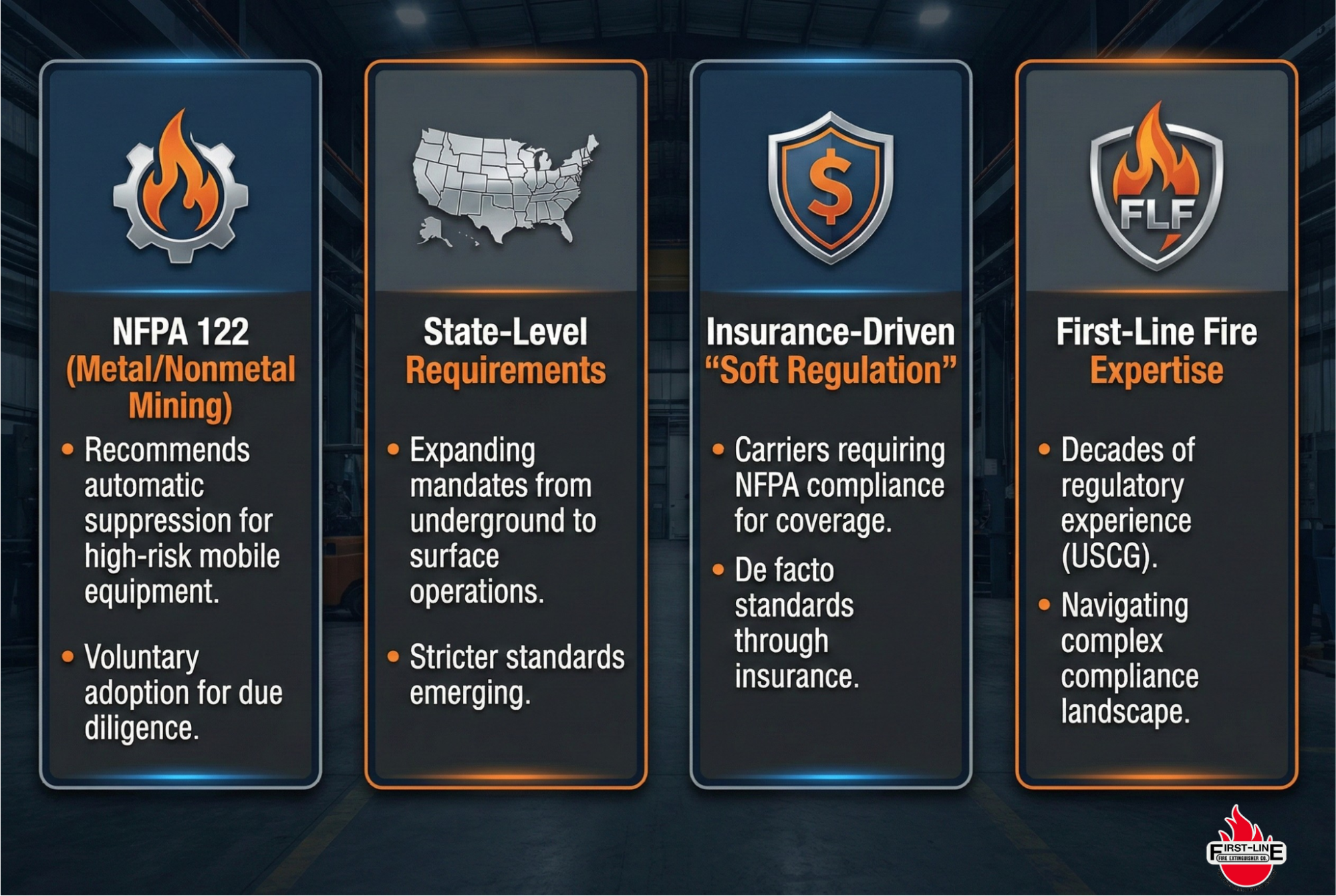
NFPA 122: Standard for Fire Prevention and Control in Metal/Nonmetal Mining and Metal Mineral Processing Facilities recommends automatic suppression for mobile equipment operating in high-risk environments. Many large mining operators are adopting this standard voluntarily to demonstrate due diligence.
State-Level Requirements: Some jurisdictions are implementing stricter standards. For example, underground coal mines under MSHA's 30 CFR Part 75 already require specific fire suppression capabilities—a requirement expected to expand to certain surface operations.
Insurance-Driven "Soft Regulation": Even where not legally mandated, insurance requirements are creating de facto standards. Carriers increasingly reference NFPA guidelines and manufacturer recommendations in their coverage decisions.
First-Line Fire's expertise in regulatory compliance—honed through decades serving the River Industry under U.S. Coast Guard regulations—positions us uniquely to navigate this complex compliance landscape for mining clients.
Maintenance: The Hidden Competitive Advantage
Installing a suppression system is only the beginning. In harsh mining environments—dust, vibration, extreme temperatures, 24/7 operation—maintenance determines whether systems function when needed or fail catastrophically.
AFEX systems require rigorous maintenance protocols:
6-Month Inspections: Visual examination, detector testing, agent cylinder weighing, electrical continuity checks
Annual Service: Full discharge testing (using test agent), component replacement, system recertification
Post-Activation Service: Complete system teardown, cleaning, and replacement of one-time-use components
First-Line Fire's multi-location service network (Paducah, Madisonville KY, and Princeton IN) provides rapid response for mining operations. Our certified technicians are trained specifically on AFEX systems and carry replacement parts inventory, minimizing equipment downtime.
Digital Service Records and Compliance Reporting
Our customer portal provides mining operations with:
Complete service history for every vehicle and suppression system
Automated inspection reminders and maintenance scheduling
Digital documentation for insurance audits and regulatory inspections
Fleet-wide compliance dashboards showing "fire readiness" status
For mining superintendents managing 50+ vehicles across multiple pit locations, this centralized visibility is invaluable for demonstrating due diligence to insurers, regulators, and corporate safety leadership.
Looking Ahead: The 2026 Mining Safety Landscape
The convergence of electrification, automation, and aging fleet dynamics makes 2026 a pivotal year for mining fire safety. Operations that adapt their fire protection strategies to address lithium-ion risks, retrofit legacy equipment, and implement automatic suppression will gain competitive advantages in insurance costs, operational uptime, and regulatory compliance.
Those that continue relying on ABC extinguishers and manual intervention face mounting risks: escalating insurance costs, potential coverage denial, catastrophic asset losses, and—most critically—threats to personnel safety as fire dynamics outpace human response capabilities.
The question isn't whether specialized suppression is necessary—it's whether your operation can afford the consequences of not implementing it.
First-Line Fire's combination of AFEX technology expertise, multi-location service capability, and deep understanding of mining operations positions us as the strategic partner for navigating this transition. From initial fire risk assessments through system installation, ongoing maintenance, and emergency response planning, they provide the comprehensive solution mining operations need for 2026 and beyond.
Ready to protect your fleet from tomorrow's fire risks today? Contact us for a complimentary Fire Risk Assessment of your mining equipment, or give us a call at (270) 279-1865.
Because in mining, downtime costs thousands per hour—but fire losses cost millions.