A Kentucky Fire Marshal inspection can stress a whole building. Someone is walking your exits, your extinguishers, your lights, and your paper trail — and they are not guessing. The nine items they expect are on the companion local-code fire marshal checklist. This page is how you get ready so the visit is citation-free the first time.
Step 1 — Paper trail audit (1 week before)
Put a Fire Safety Binder on the desk the marshal can sit at. Do not hunt for PDFs while they wait.
- Annual fire extinguisher service reports
- Emergency light monthly and annual test logs
- Alarm and sprinkler reports (NFPA 72 / NFPA 25)
- Hood suppression records if you have a commercial kitchen
Pro tip. First-Line can resend reports if a copy walked off with the last manager. Call 1-800-348-9604 and we will pull what we already filed for your site.
Step 2 — Physical walk-through (3 days before)
Walk the floor the way the marshal will. Fix what you can see before they do.
- Three-foot rule at electrical panels — clear, labeled, not a storage closet
- Exit signs lit; emergency-light batteries that actually come on
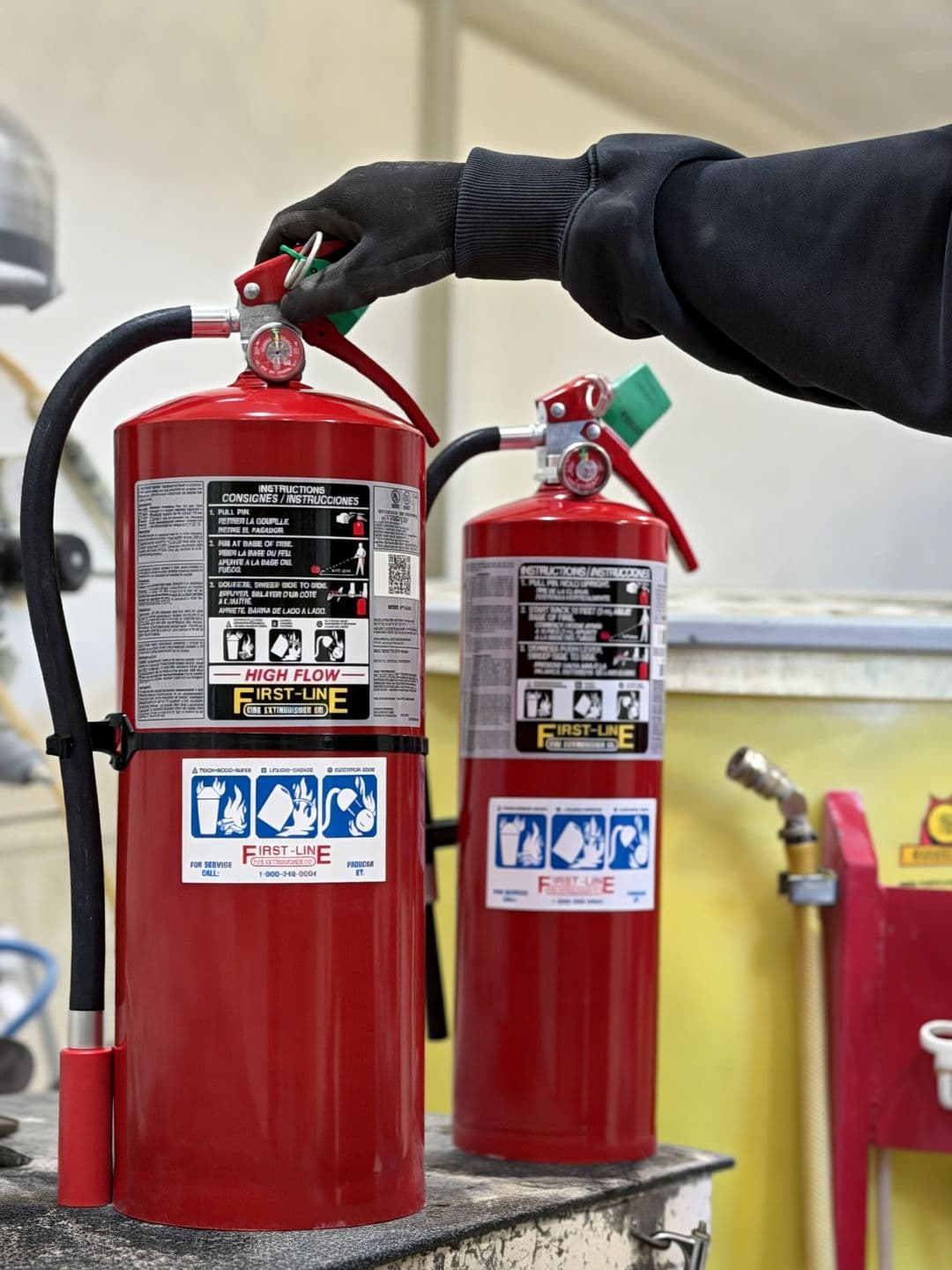
- Extinguishers on their brackets, gauge in the green, pin in place
- No daisy-chained extension cords
Step 3 — Staff huddle (1 day before)
The people on the floor should be able to say the same three things:
- R.A.C.E. — rescue, alarm, confine, extinguish / evacuate
- P.A.S.S. — pull, aim, squeeze, sweep
- Where the meeting point is after they exit
Step 4 — Professional pre-check
Some of this is not a DIY afternoon. A 90-minute emergency-light load test and an internal extinguisher inspection take the right gear and the right ticket. Schedule maintenance before the inspection window — not the morning of.
That work lives on exit and emergency lights and fire extinguishers. We keep the due dates. You don’t have to think about them.
The cost of wait-and-see
Fail the first visit and you pay for the second. Re-inspection fees add up. A shutdown or a Fire Watch interrupts the floor. Some carriers treat an open citation as a problem at renewal. Passing the first time is cheaper than hoping they skip a room.
Need the binder filled and the units serviced before the window? Request a quote or call 1-800-348-9604. Print the nine local-code checklist items and walk them with us. Full services if you need more than extinguishers and lights. Opening in Mayfield or Owensboro? Same walkthrough.